Remove rust from a car by first determining its severity: surface rust responds to sanding down to clean metal, a rust converter or chemical treatment, then priming and painting — a genuinely DIY-friendly job if caught early. Deep rust that’s compromised the metal’s structural integrity requires cutting out the affected section and welding in new metal, a job that generally needs professional skill and equipment.
Here’s how to tell which type you’re dealing with, the full DIY process for surface rust, and realistic costs across the full severity range.
Key Takeaways
- Surface rust is genuinely DIY-friendly — sand to clean metal, treat, prime, and paint.
- The hammer tap test reveals deep rust — healthy metal pings; rust-thinned metal sounds dull or flexes.
- Costs range from $50 for minor surface rust to $2,000+ for major structural repairs, not including repainting.
- Regular washing and waxing is the single best prevention method, and it’s essentially free compared to any repair cost.
Determine What You’re Actually Dealing With
Tap the affected area lightly with a small hammer. Healthy metal produces a clean, distinct ping; metal that’s been thinned by rust sounds dull and may even flex under light pressure. If you can flex the metal or see daylight through it, you’ve crossed from surface rust into rust-through territory, and the repair approach changes completely (CJ Pony Parts).
Fixing Surface Rust Yourself
- Clean and prep the area, then sand the rust away using 80-120 grit sandpaper or a grinding disc until you reach clean, bare metal — don’t stop at “mostly gone,” since any remaining rust will continue spreading under new paint.
- Smooth the edges with 180-220 grit sandpaper, blending into the surrounding paint and primer so the repair doesn’t leave a visible ridge.
- Apply a chemical rust treatment to address any microscopic remaining rust the sanding missed — distilled white vinegar works for low to medium grade rust as a lower-cost option, while dedicated rust removers handle tougher cases more reliably (AutoZone).
- Apply an etching primer designed for direct metal contact, which bonds properly to bare steel in a way standard primer doesn’t.
- Finish with body filler or surfacing primer as needed, then paint to match the surrounding panel.
If caught before it spreads significantly, surface rust repair is genuinely approachable for a DIYer with basic tools and patience — the technique doesn’t require specialized equipment, just careful, thorough sanding.
Deep Rust: When It’s a Different Job Entirely
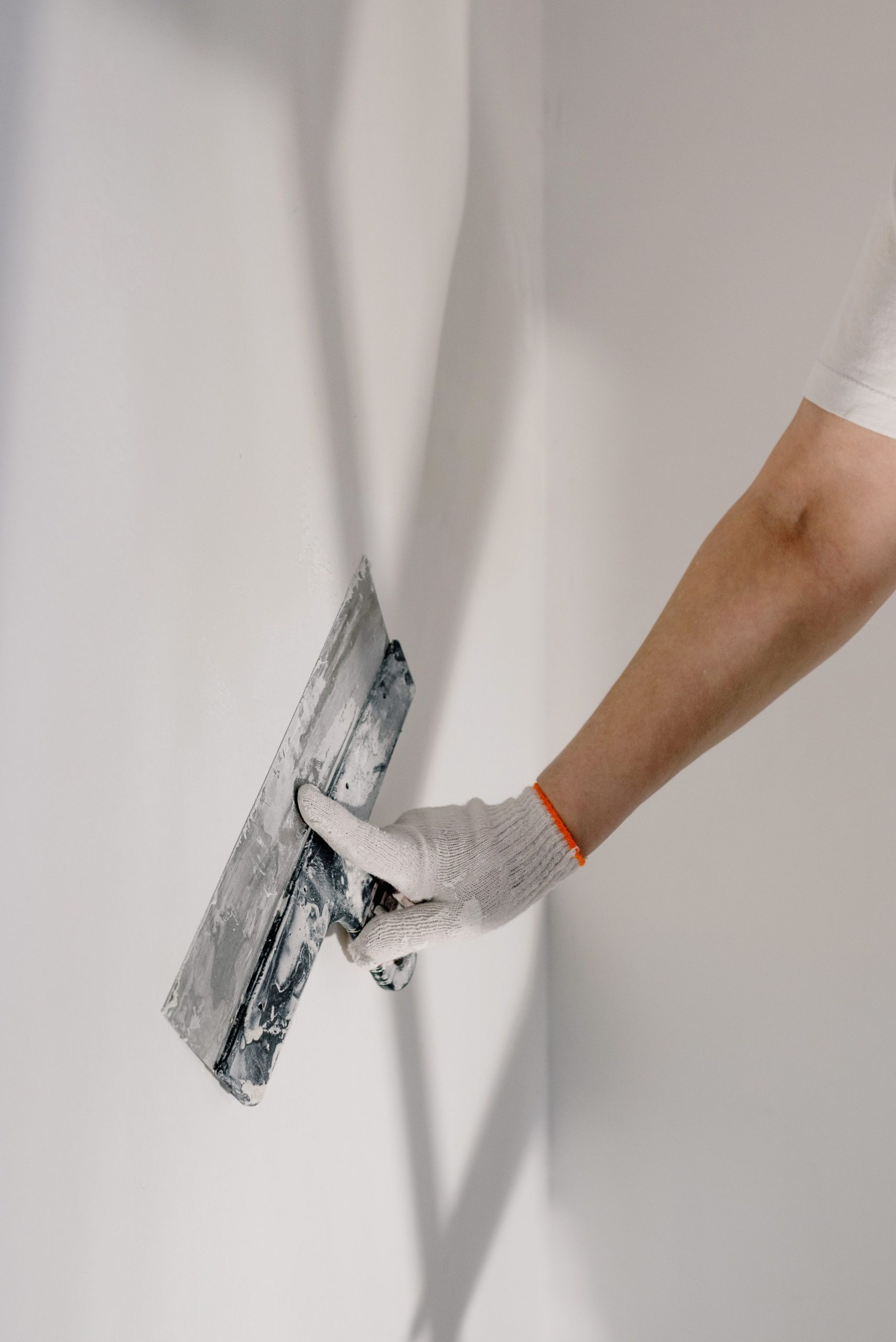
Treating deep rust or rot is meaningfully more complex than surface treatment. The affected section of metal has to be cut out entirely and replaced with a new piece, which requires welding — a skill that takes real time to develop and isn’t something to attempt for the first time on a visible body panel.
This is exactly where most DIYers should stop and hand the job to a professional, since a poorly executed weld repair can be both structurally unsound and cosmetically obvious, undoing any savings from attempting it yourself.
What Rust Repair Actually Costs
Overall, rust repair costs typically range from $20 to $2,000+ depending on severity. Surface rust runs $50-$200. Moderate rust runs around $500 per affected area. Major structural repairs run $400-$2,000, not including repainting costs on top (MotorVerso).
A basic rust treatment kit costs about $30 in materials for a DIY approach, while a body shop typically charges $50-$100 for the same surface-level work. For severe rust, replacing an entire body panel can sometimes cost less than trying to salvage and repair a badly rusted original — worth discussing as an option with your shop rather than assuming repair is always cheaper than replacement.
Preventing Rust Before It Starts
Washing and waxing your vehicle regularly is the single best rust prevention method available, and it’s essentially free compared to any repair cost down the line. See our guides on how often to wash a car and how often to wax it for the specific intervals that keep road salt, moisture, and debris from sitting against bare or vulnerable metal long enough to start corrosion.
Professional rust proofing is also worth considering in salt-heavy or coastal climates — permanent rust proofing lasts about 10 years and typically costs around $500, while annual rust-proofing runs closer to $100 per year.
Frequently Asked Questions
Can rust spread under paint that looks fine?
Yes — rust that started at a chip or scratch can spread laterally underneath intact-looking paint, which is why any paint damage is worth addressing promptly rather than assuming it’s purely cosmetic. See our guide on removing car scratches for handling the paint damage that often precedes rust in the first place.
Does rust repair need to match my exact paint color?
Yes, for a clean finished look — see our car paint job cost guide for what a proper color-matched repaint runs if the rust repair area needs full refinishing.
Is it worth fixing rust on an older car?
It depends on the vehicle’s overall value and your plans for it — for a car you intend to keep or sell, rust repair protects both safety and resale value. For a vehicle near the end of its useful life, the repair cost may not be worth it relative to the car’s remaining value.
Can rust cause a car to fail inspection?
In some states, yes, particularly if rust has compromised structural components like the frame or affected areas near safety systems. Check your specific state’s inspection criteria if rust is visible on structural areas of the vehicle.
The Bottom Line
Surface rust is a genuinely DIY-friendly repair — sand to clean metal, treat, prime, and paint, for $50-$200 in most cases. Deep rust that’s compromised the metal structurally needs professional cutting and welding, running $400-$2,000 or more. Regular washing and waxing remains the cheapest, most effective way to avoid the problem entirely.
Spotted rust starting on your vehicle, or dealing with a repair beyond DIY scope? Contact San Diego Bumper and Collision for an assessment.