Ball joint replacement costs $200 to $500 per joint, or $300 to $800 to replace both front joints together — which is common, since they usually wear at similar rates. The part itself is $100-$200; the rest is labor, plus a wheel alignment afterward that most quotes should already include.
This guide covers the full cost breakdown, why upper and lower joints wear so differently, the symptoms that mean it’s time, and why this is one of the few suspension failures that can turn dangerous without much warning.
Key Takeaways
- Typical cost: $200-$500 per joint, $300-$800 for both fronts, and $1,000+ if multiple joints or related parts need attention.
- Lower ball joints usually wear faster than upper ones because they’re typically the load-bearing joint carrying the vehicle’s weight.
- Clunking over bumps, steering wander, and uneven tire wear are the core symptoms — and they escalate quickly once wear starts.
- Complete separation is rare but severe — a fully failed load-bearing joint lets the wheel collapse, which is why this repair shouldn’t be deferred once symptoms appear.
Ball Joint Replacement Cost Breakdown
| Job scope | Typical cost | Notes |
|---|---|---|
| Single joint | $200-$500 | Parts $100-$200, labor $150-$300 |
| Both front joints | $300-$800 | Common to do together — both wear at similar rates |
| Multiple joints / related parts | $1,000+ | If tie rods, bushings, or control arms are also worn |
Figures compiled from 2026 cost guides (RepairPal; J.D. Power; PartCatalog, retrieved July 2026). Dealerships charge $500-$800 per lower joint, while national chains run $350-$600 — independent shops are usually the cheapest reliable option. Add $75-$150 for the wheel alignment that should follow any ball joint job.
Upper vs. Lower Ball Joints — Why One Wears Faster
Most front suspensions use two ball joints per side, and they don’t do the same job. In the common SLA (short-long arm) design, the lower ball joint is load-bearing — it carries the vehicle’s weight and takes the brunt of every bump and pothole. The upper joint is typically a “follower” — it guides suspension geometry but doesn’t support significant load.
That difference in duty explains why lower joints wear out first and matter more for safety in most vehicles (Counterman). A small number of suspension designs reverse this — some have the coil spring seated on the upper control arm, making the upper joint the load-bearing one instead — so it’s worth confirming which layout your vehicle uses rather than assuming.
Signs Your Ball Joints Are Failing
- Clunking over bumps or when turning — starts as an occasional knock and gets louder and more frequent as wear increases.
- Steering wander, with the wheels shifting slightly side to side and the car needing constant small corrections.
- Vibration that makes the car feel unstable, especially at speed.
- Uneven tire wear on the inner or outer shoulder, from the altered geometry a worn joint creates.
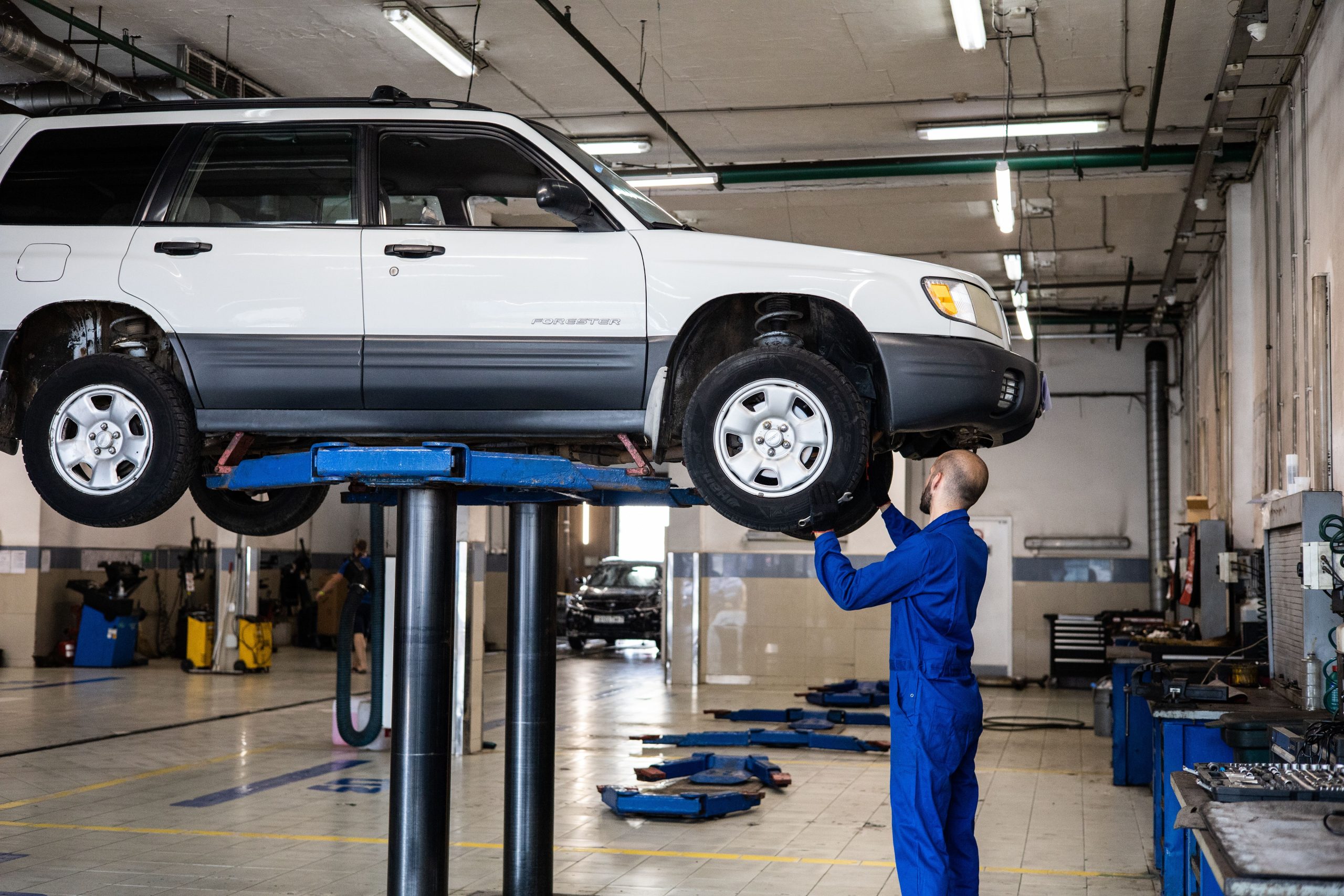
- Visible play when a shop grabs the tire at 12 and 6 o’clock and rocks it with the wheel off the ground.
Symptoms tend to escalate quickly once they start — an occasional clunk becomes a constant one over weeks, not months, in many cases. That’s different from some suspension wear items that degrade gradually for years before anyone notices.
How Long Can You Drive on a Bad Ball Joint?
Not long, and this is the one to take seriously. A load-bearing ball joint that fails completely lets the wheel collapse inward or outward instantly — there’s no gradual warning at the moment of separation, even though the wear leading up to it does give warning signs. Driving on a bad ball joint risks sudden loss of steering control, especially during turns or hard braking, and continued driving accelerates wear on everything else in the suspension (AutoZone).
Treat clunking or steering wander as a “get it inspected this week” situation, not a “monitor it for a while” one. If a shop confirms measurable play with the wheel off the ground, that’s not a maybe — schedule the repair.
Is DIY Worth It?
It depends entirely on how your specific ball joints are mounted. Screw-in and bolt-on joints are straightforward — no special tools beyond a jack, stands, and basic hand tools. Press-in joints, which are common on factory-installed OEM parts, need a ball joint press or a shop press to remove and install correctly, since forcing it without the right tool risks damaging the control arm (UTI).
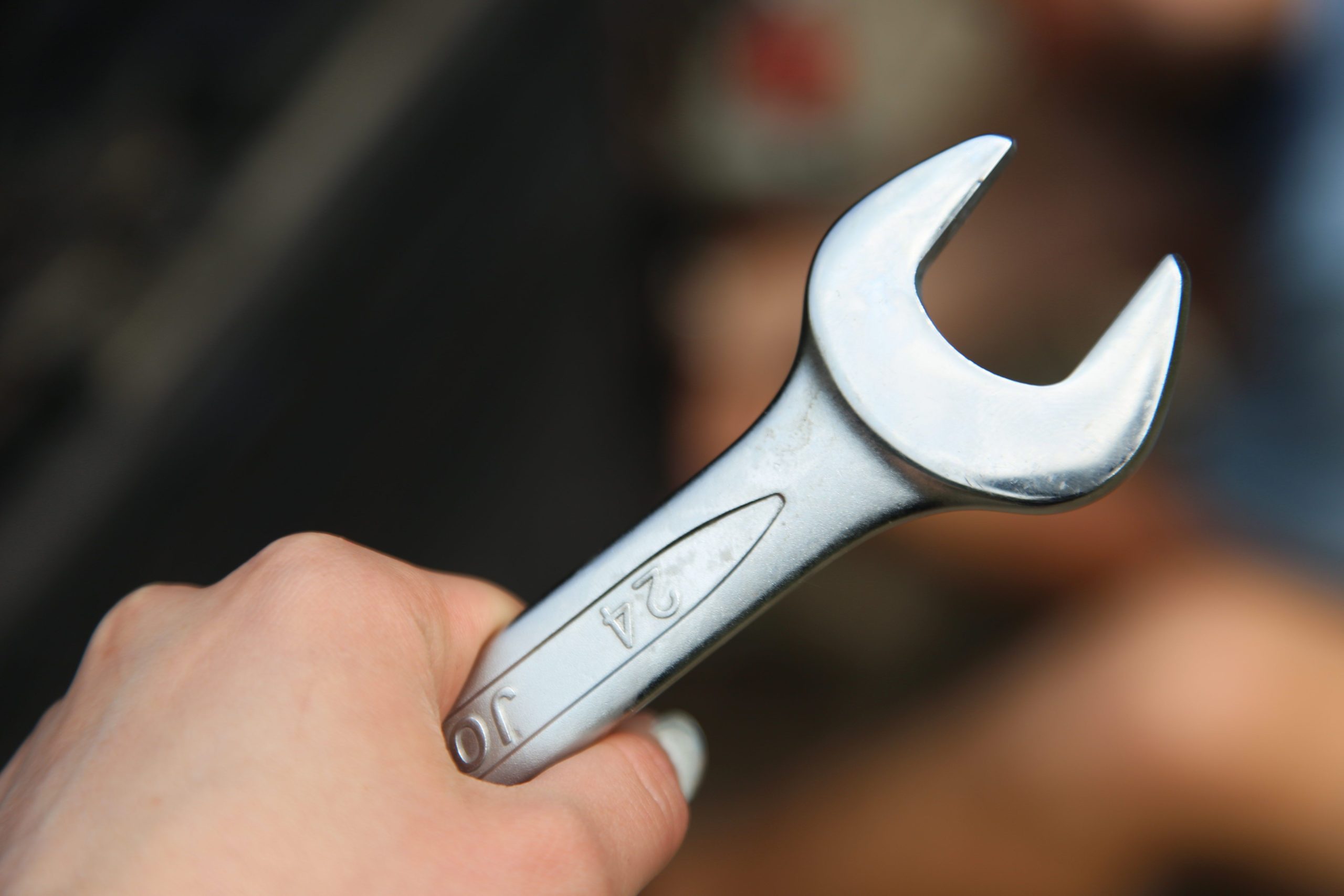
Check which type your vehicle uses before deciding. A bolt-on replacement is a reasonable weekend DIY job. A press-in joint without access to a press is genuinely harder to do safely at home — and like a control arm job, you’ll need an alignment afterward regardless of who does the wrench work.
Frequently Asked Questions
Is a ball joint the same as a control arm?
No, though they’re connected. The ball joint is the pivot point where the control arm meets the steering knuckle. On many modern vehicles the ball joint is pressed or riveted permanently into the control arm, which means a worn joint sometimes means replacing the whole control arm assembly rather than the joint alone.
Do I need an alignment after replacing ball joints?
Yes. Ball joints affect wheel geometry the same way a tie rod or control arm does, so skipping the alignment wears the new tires unevenly within a few thousand miles. Budget the $75-$150 alignment as part of the job, not an optional extra.
Is a clunk from a ball joint different from a sway bar link or CV axle clunk?
They can sound similar, which is why a shop inspection beats guessing. A ball joint clunk often comes with steering wander too, while a sway bar link clunk is purely a bump noise with no steering symptom, and a clunk specifically when turning points more toward a CV axle. Bouncing rather than clunking usually means struts instead.
How many ball joints does a typical car have?
Most front-wheel-drive cars have two per side (upper and lower), for four total, though some simpler MacPherson strut designs use only one lower ball joint per side since the strut itself handles the upper mounting point.
The Bottom Line
Budget $200-$500 per joint, or $300-$800 for both fronts together, plus an alignment. Lower joints wear first on most vehicles and matter most for safety, so a clunk paired with steering wander is worth inspecting promptly rather than waiting — complete failure isn’t a gradual process even though the wear leading up to it is.
Hearing a clunk and not sure if it’s a ball joint, a sway bar link, or something else in the suspension? Contact San Diego Bumper and Collision for an inspection before you order parts.