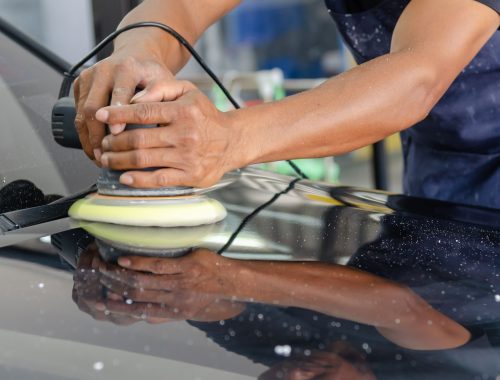

Prevent rust on your car by touching up paint chips immediately — a chip the size of a pencil eraser can rust through a quarter panel in as little as 18 months in a humid climate, making prompt touch-up paint the cheapest repair you’ll ever make. Keep drain holes on doors and rocker panels clear by removing drain plugs and cleaning the channels with a coat hanger or pipe cleaner, since clogged drains trap water against bare metal. Wash frequently to remove salt and grime before they hold moisture against the body, and maintain a wax, sealant, or ceramic coating layer for ongoing protection.
Here’s where rust actually starts hiding, why drainage maintenance is such an overlooked prevention step, and how rust-proofing treatments extend protection to areas washing alone can’t reach.
Key Takeaways
- Touch up paint chips within days — a small chip can rust through a panel in as little as 18 months in humid conditions.
- Clear drain holes regularly — clogged drains on doors and rocker panels trap water against bare metal, accelerating corrosion.
- Rust often starts in hidden places — pinch welds, wheel wells, and trunk floor undersides rarely get visual inspection.
- Frequent washing is one of the most effective prevention methods — removing salt and grime early limits how long moisture sits against metal.
Where Rust Actually Starts
Paint Chips: The Fastest Path to Rust

Paint touch-ups for small chips should be done immediately — a chip the size of a pencil eraser can rust through a quarter panel in as little as 18 months in a humid climate, making touch-up paint applied within days of the chip appearing the cheapest repair you’ll ever make (Motorist Care). This urgency makes sense once you consider what a chip actually exposes: bare metal with no clear coat or paint barrier standing between it and moisture, salt, or road grime. Our guide on how to remove rust on cars covers what to do once rust has already taken hold, but prevention at the chip stage is dramatically cheaper and easier than any removal process.
Drainage Holes Are an Overlooked Prevention Step

Keep drain holes clear — these are located on the bottoms of the doors and rocker panels, and like gutters on a home, they need to remain clear to channel excess water out of the bodywork (New England Rust). Remove the drain plugs and clean the interior channels with a coat hanger or pipe cleaner to ensure they remain open. Rust often starts in hidden places specifically because of this kind of neglect: pinch welds, rocker panels, wheel wells, the underside of trunk floors, and around door drain holes clogged with debris all share the common trait of being genuinely hard to see during a normal visual inspection, letting corrosion progress unnoticed for a long time.
Washing, Wax, and Rust-Proofing Treatments
Frequent washing is one of the most effective ways to prevent corrosion — salt and grime hold moisture against metal, so removing them early meaningfully reduces long-term damage. Our guide on washing your car in winter covers the salt-focused technique that matters most during the season rust risk peaks. Apply wax or a ceramic coating for ongoing surface protection, and consider specialized rust-proofing treatments for the undercarriage and internal body cavities — these typically involve a waxy, petroleum-based, or rubberized coating that seals out moisture and salt from areas washing alone can’t fully protect. Our guide on detailing a dirty undercarriage covers this undercarriage-specific rust prevention process in fuller depth.
Frequently Asked Questions
How often should drain holes actually be checked and cleared?
A couple of times a year is reasonable for most vehicles, more frequently if you park under trees or in areas with heavy leaf and debris fall that can clog the channels faster than average.
Does a car wash’s undercarriage rinse feature actually help prevent rust?
Yes, meaningfully — many automatic car washes offer an undercarriage rinse specifically because that area accumulates the most salt and grime, and this rinse targets exactly the zone most prone to hidden corrosion.
Is professional rust-proofing worth the cost for a newer car?
For vehicles in salt-heavy or coastal climates, yes — the upfront cost is generally far less than repairing rust damage later, and newer vehicles benefit most since prevention on undamaged metal is more effective than treatment after corrosion has begun.
Can interior spills contribute to rust from the inside of a panel?
Yes — moisture that seeps into door panels or floor areas without proper drying can reach metal from the interior side, which is another reason prompt spill cleanup matters beyond just the visible stain.
The Bottom Line
Preventing rust on your car comes down to addressing paint chips immediately, keeping drain holes clear, washing frequently to remove salt and grime, and maintaining a protective wax or coating layer. Checking the hidden zones — pinch welds, wheel wells, drain holes, and trunk floor undersides — catches problems that a routine glance at the paint would otherwise miss entirely.
Concerned about rust risk on your vehicle? Contact San Diego Bumper and Collision for a professional assessment.